Engineered surface
Quartz countertops
Engineered, non-porous, never needs sealing.
What quartz actually is
Quartz countertops are manufactured, not quarried. Roughly nine parts crushed natural quartz to one part polymer resin and pigment, mixed, poured, then compacted under vacuum and vibration and cured. The result is a slab with the hardness of natural quartz and none of the fissures, and — because the resin fills every void — no porosity at all.
Sealing
Never. There is nothing for a sealer to soak into.
Stains
Effectively immune. Red wine, oil, turmeric, coffee — wipe and gone.
Acid
Unaffected. Lemon and vinegar do nothing.
Scratches
Highly resistant. Still use a board — you will dull your knives, not the stone.
Heat
This is the weak point. See below.
Consistency
Slab to slab, near-identical. Good for large runs and matched islands.
The honest part
What you are accepting
The resin that makes quartz non-porous is also what limits it: it scorches. A pan straight off the burner can leave a permanent white ring or a hairline crack, and that damage cannot be polished out — it is a chemical change in the binder, not a mark on the surface. Quartz needs trivets, genuinely and every time. The same resin yellows under sustained direct sunlight, so quartz is a poor choice for a sunroom island or anything outdoors. And because the pattern is engineered, it repeats: look closely at a long run and you will find the same vein twice. Some people want the certainty. Some people find it reads as printed.
Where it belongs
Kitchens it suits
Busy family kitchens, white and light-wood palettes, and anyone who wants the countertop to be the least demanding thing they own. It is the default for a reason.
Variations
Quartz we fabricate
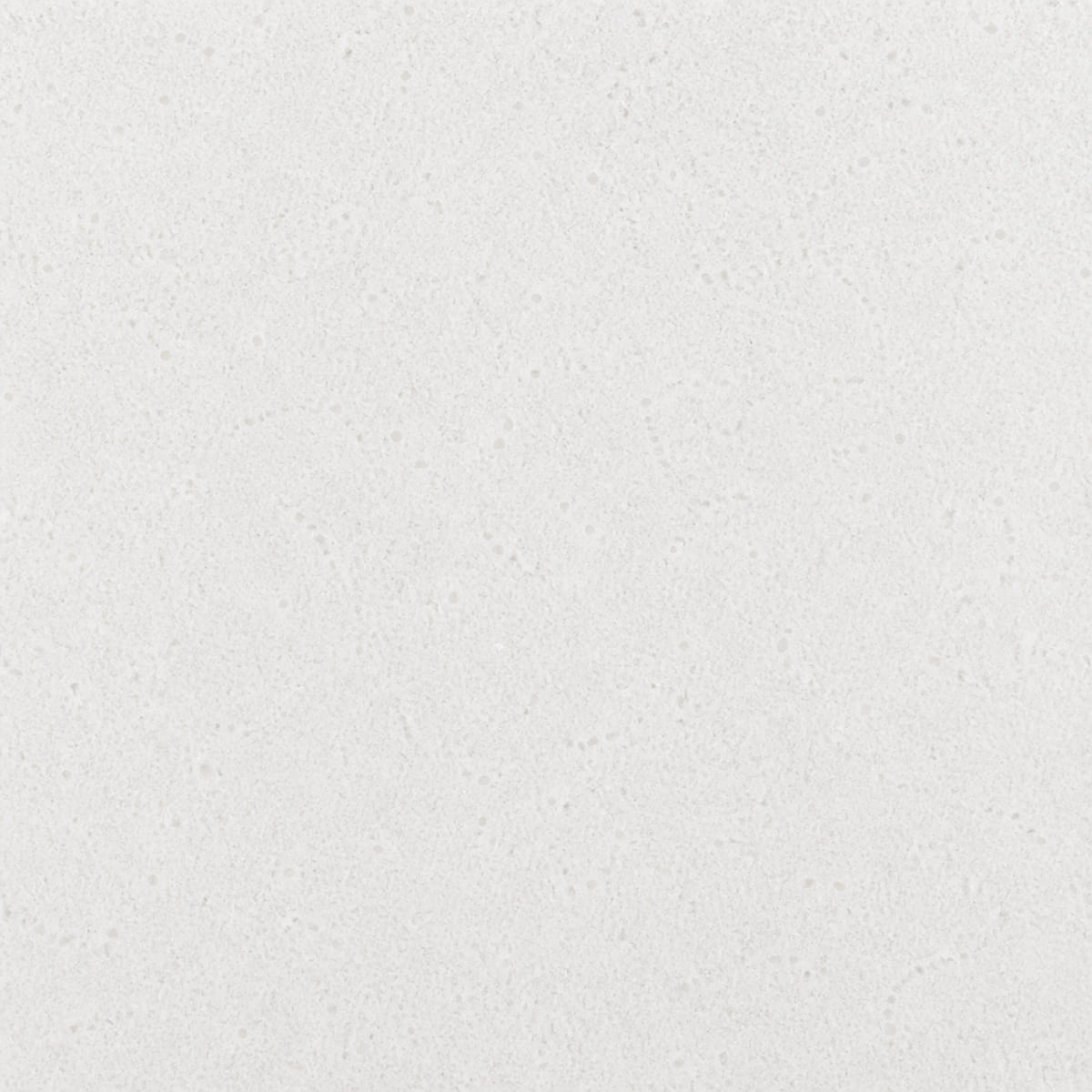
Snow White
A near-pure white with no visible movement at all — just a fine, even micro-speckle that stops it reading as plastic. The most unforgiving choice in the room and the cleanest, which is exactly why it works against warm wood.
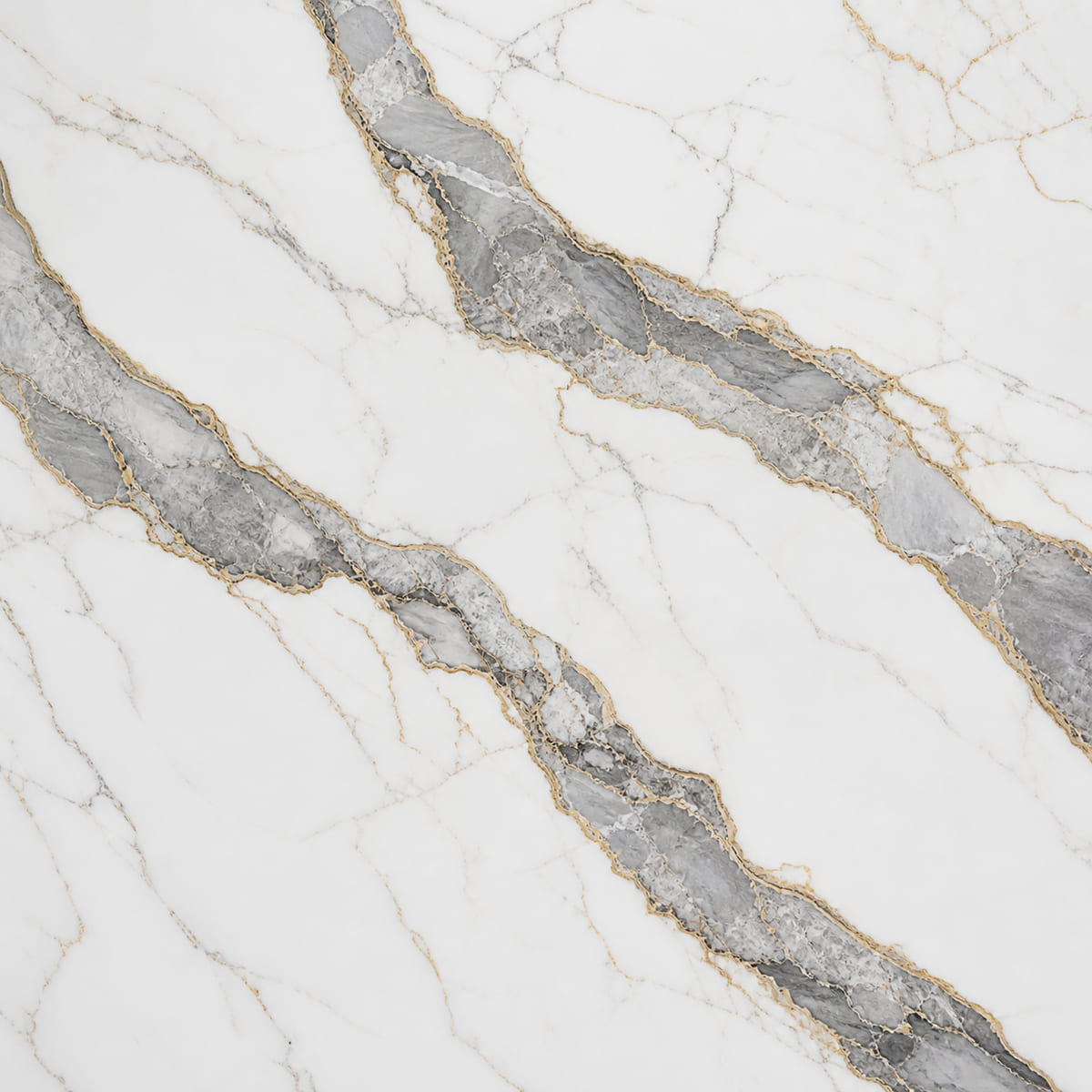
Calacatta-Style Gold Vein
A bright white ground crossed by broad grey veins, each shadowed with a thin warm gold line. The gold is what makes it work with brass hardware and warm oak instead of fighting them.
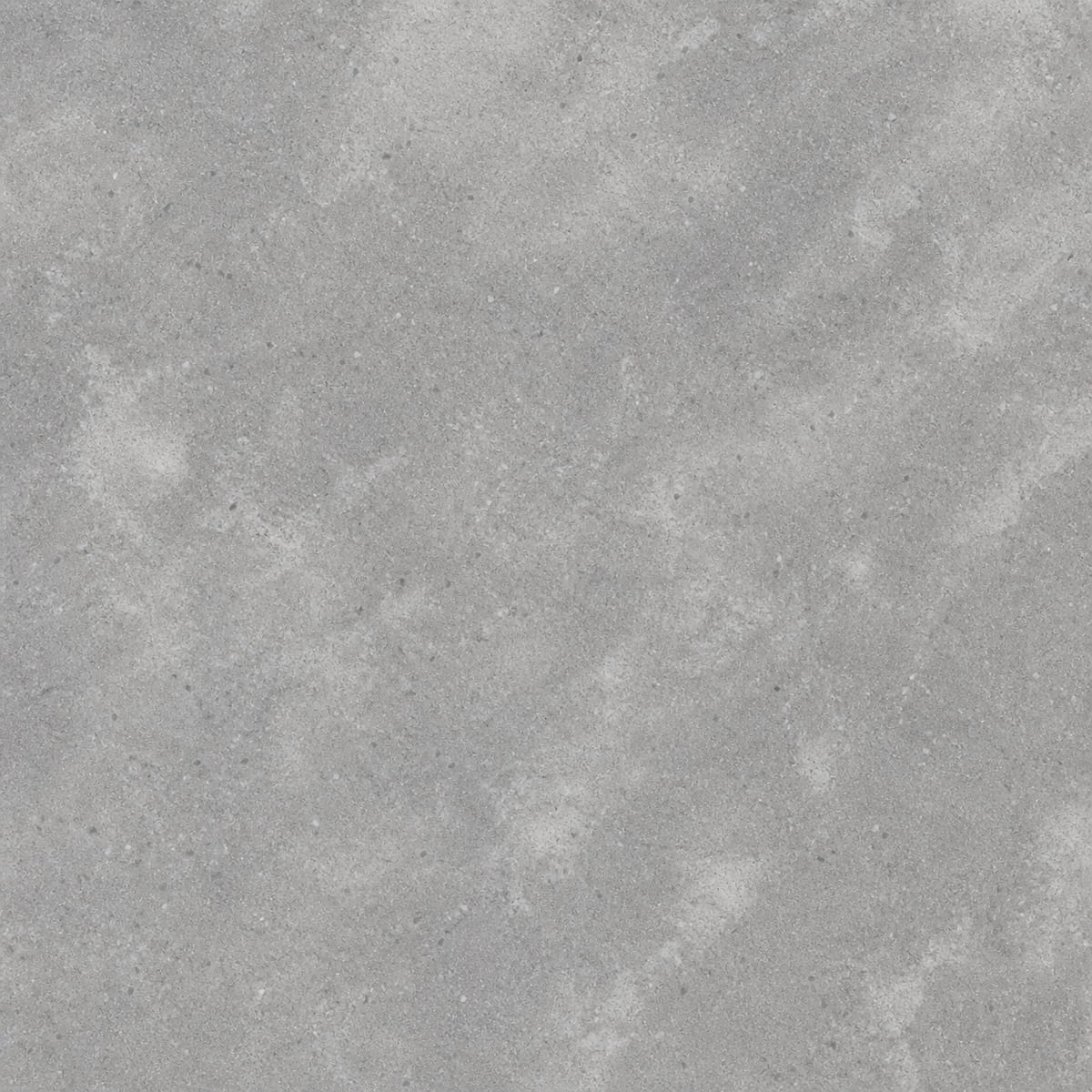
Cloud Grey
Soft mid-grey with white drifting through it like weather rather than veining. It has no hard lines anywhere, which makes it the forgiving option when the cabinets and backsplash are already doing something.
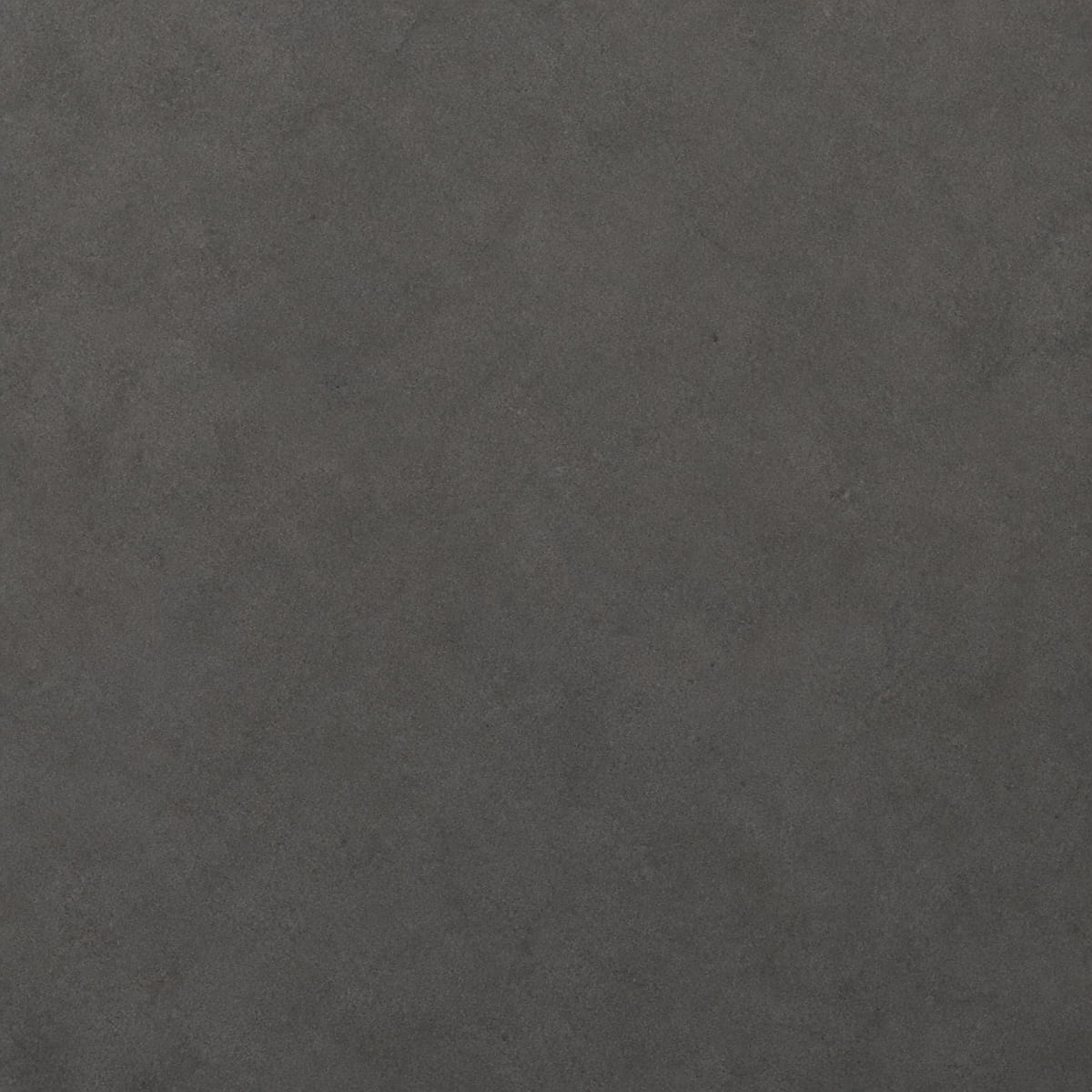
Charcoal Concrete
Flat dark grey with the faint mottling and pinhole texture of poured cement, and no veining whatsoever. Reads as a material rather than as a stone imitating one.
Imagery on this page is representative of the material. Patterns vary by manufacturer and production run, and we will show you the current samples before anything is ordered.
Also consider
If this is not quite right
Next step
See quartz in person
A photograph cannot tell you how a slab moves in daylight, and no two are the same. Bring your cabinet door and a photo of the room — we will put them against the stone.