
Natural stone
Dolomite countertops
Natural, between marble and quartzite.
What dolomite actually is
Dolomite is limestone in which magnesium has substituted for some of the calcium, then been metamorphosed. That substitution matters: it produces a denser, harder crystal than calcite marble, so dolomite sits genuinely between marble and quartzite on every axis — harder than the first, softer than the second, and priced accordingly.
Sealing
Yes, annually.
Stains
Better than marble, not as good as quartzite.
Acid
Still etches — less readily than marble, but it does. See below.
Scratches
Mohs 3.5–4. Harder than marble; softer than granite.
Heat
Good.
Consistency
None. Every slab differs.
The honest part
What you are accepting
Dolomite is sold hard as "the durable marble look", and that claim is half true in a way worth being precise about. It is meaningfully harder than marble and more stain-resistant. It is still a carbonate, which means acid still etches it — a spilled lemon will still leave a dull mark, it just takes longer to happen and is less severe when it does. If a salesperson tells you dolomite does not etch, they are wrong.
The related thing to know is that dolomite is what a great deal of mislabelled "quartzite" actually is. That is not a problem with the stone — it is a fine stone — it is a problem with paying quartzite prices for it and expecting quartzite behaviour. We identify it before it is quoted.
Where it belongs
Kitchens it suits
Kitchens that want marble’s look with a real reduction in anxiety, and are willing to accept some etching rather than none. Honed, again, hides far more than polished.
Variations
Dolomite we fabricate
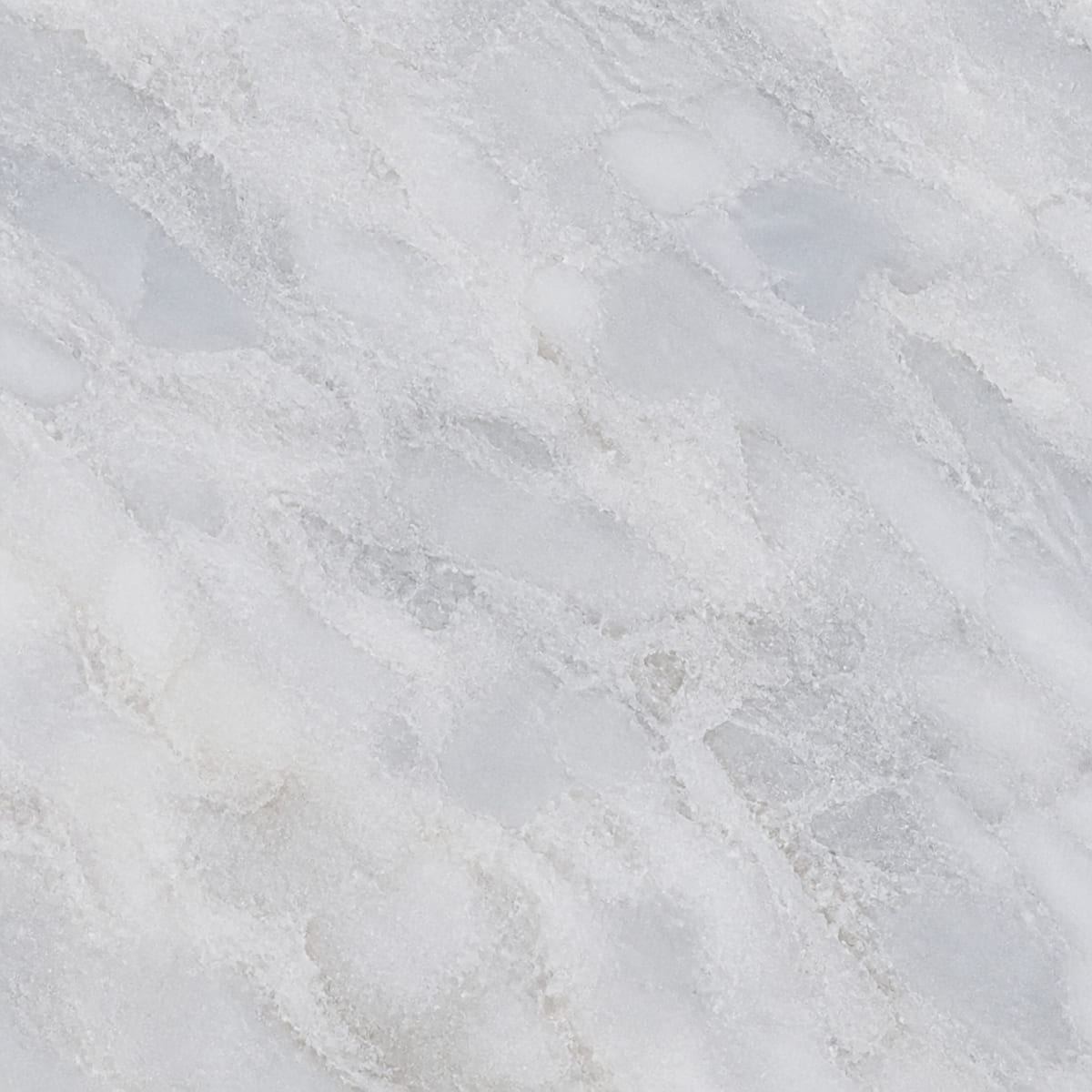
Super White
Cool white-grey with cloudy blue-grey drifting through it, soft-edged everywhere. It is the closest thing to a marble that does not commit — no bold vein to design around, just movement.
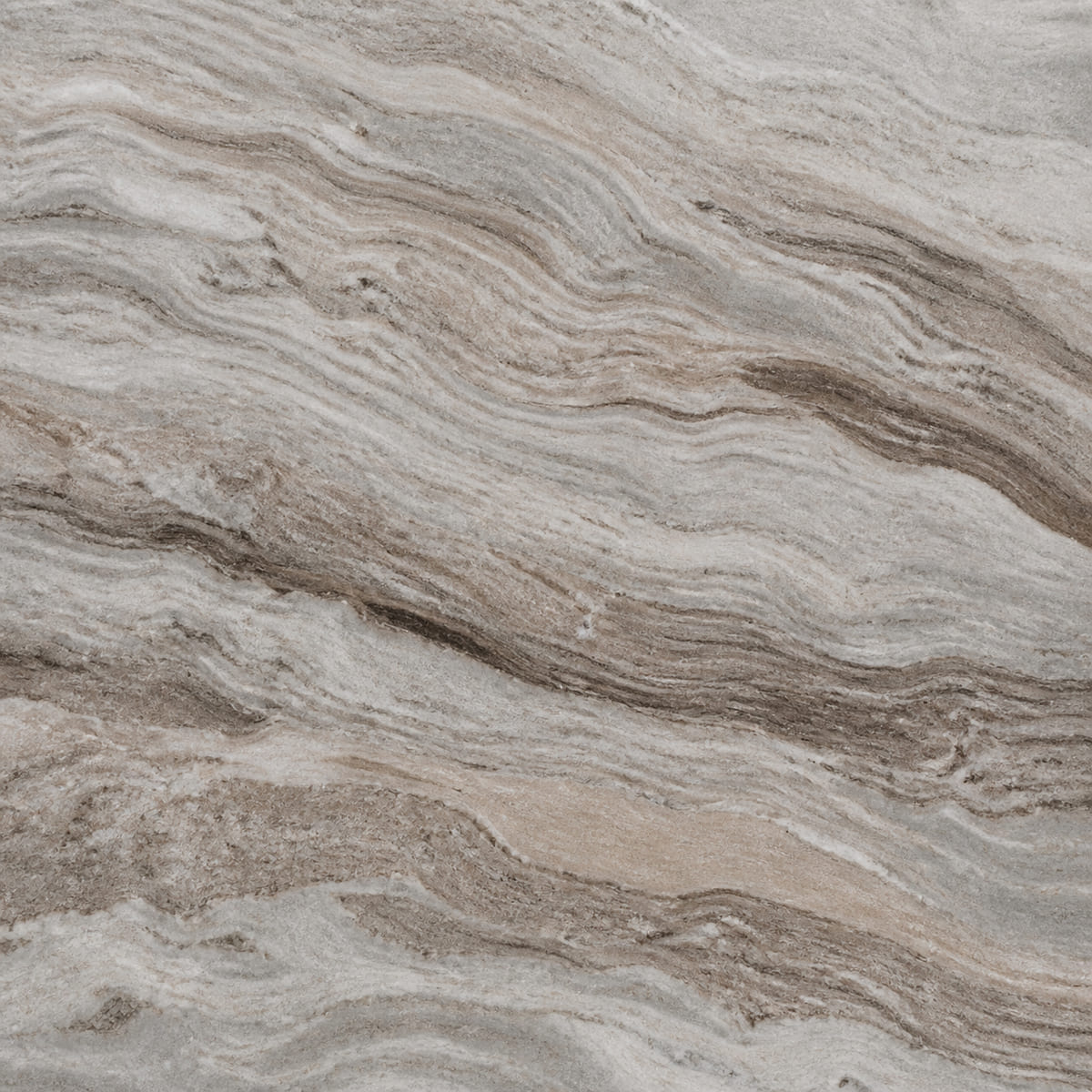
Fantasy Brown
Grey and warm brown folded into wavy, river-like banding. The one dolomite that works against a warm cabinet — most of this category runs cool, and this one does not.
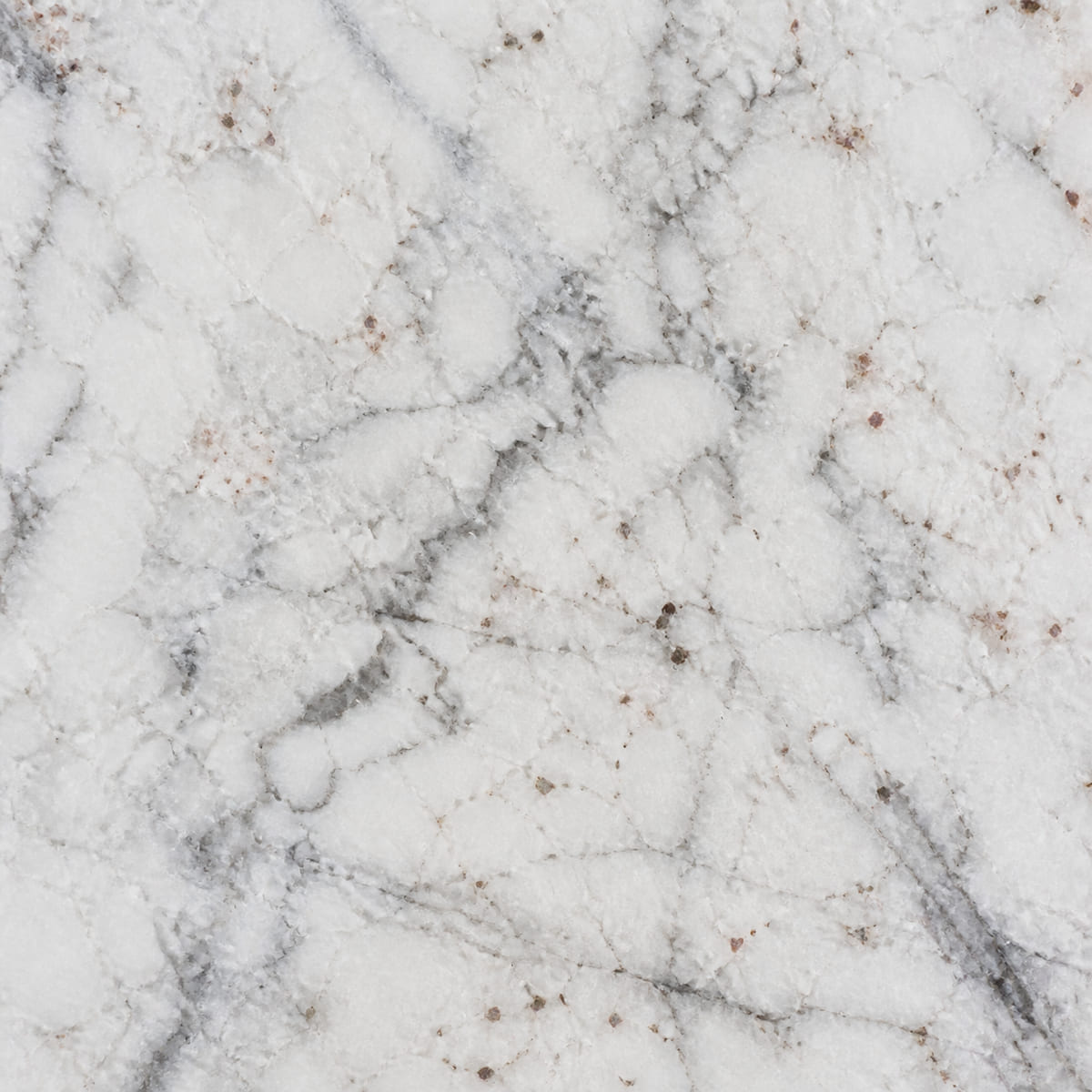
Alaska White
A white ground with grey veining and scattered copper-brown flecking. The copper is what saves it from being another white stone — it picks up unlacquered brass hardware exactly.
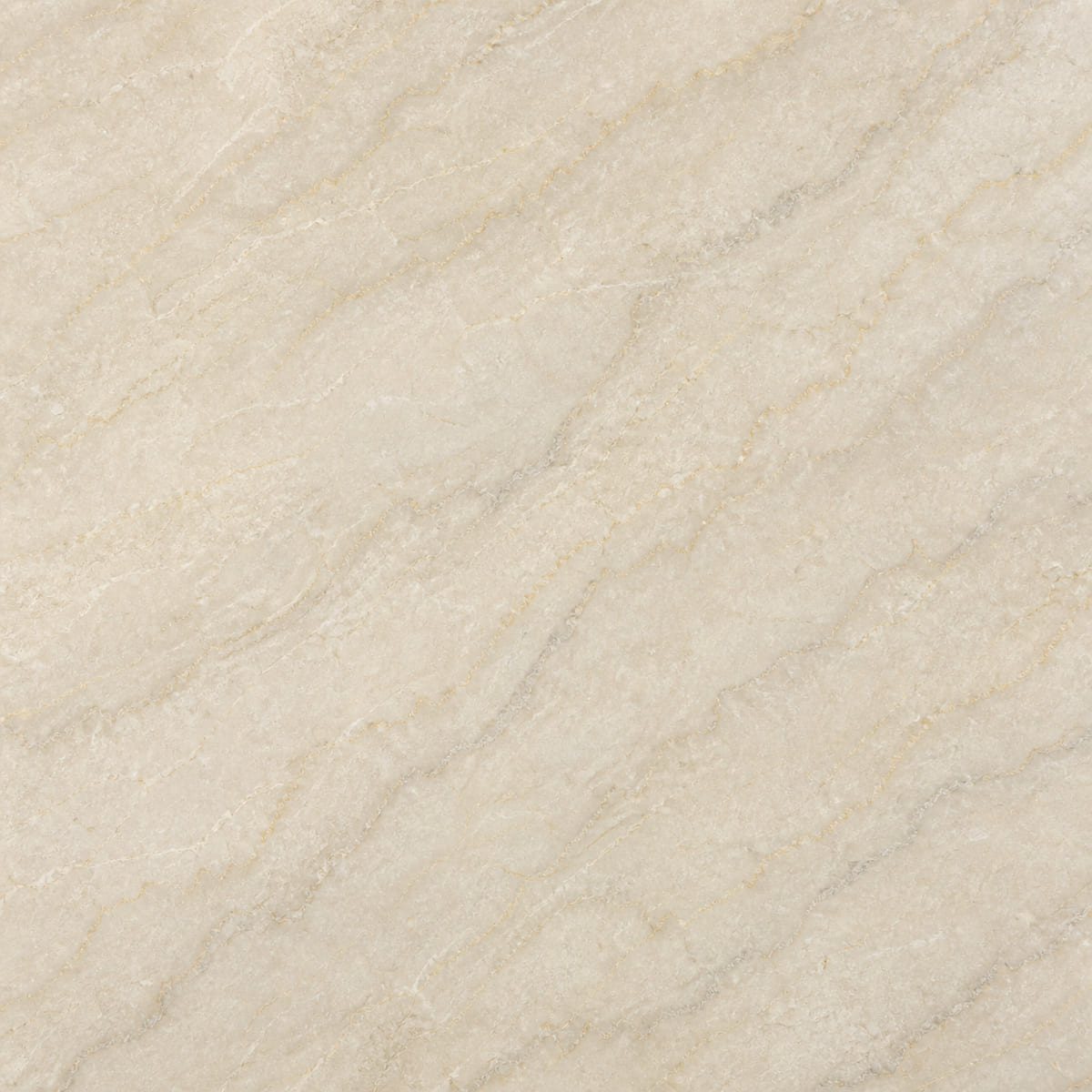
Perla Venata
Warm cream with soft gold-grey veining running fine and consistent. The warmest stone in this category and the one that most often gets mistaken for quartzite.
Imagery on this page is representative of the material. No two natural slabs are alike — veining, colour and movement vary from block to block, and the slab that goes into your kitchen is the one you choose in person at our shop.
Also consider
If this is not quite right
Next step
See dolomite in person
A photograph cannot tell you how a slab moves in daylight, and no two are the same. Bring your cabinet door and a photo of the room — we will put them against the stone.