
Natural stone
Soap Stone countertops
Natural, chemically bulletproof, physically soft.
What soap stone actually is
Soapstone is a metamorphic rock made largely of talc — which is why it feels faintly soapy under your hand, and where the name comes from. Talc is chemically inert and the rock is effectively non-porous, so soapstone cannot stain and cannot etch. It is the same material used to line wood stoves and to build laboratory benches, for exactly those reasons.
Sealing
Never. It is non-porous.
Stains
Cannot stain. Nothing penetrates it.
Acid
Completely inert. Lemon, vinegar, drain cleaner — nothing.
Scratches
Mohs 1–2.5. Very soft. It will scratch. See below.
Heat
Exceptional. It is a wood stove liner.
Colour
It changes over time, on purpose. See below.
The honest part
What you are accepting
Soapstone is the exact inverse of every other stone here: nothing you spill can hurt it, and almost anything you drop can. It scratches from a slid pan and dents from a dropped one. What makes that liveable is that the damage is repairable at home — a scratch sands out with fine paper in a few minutes and disappears under a coat of mineral oil, which is not true of any other surface on this page.
The other thing to understand going in is that soapstone darkens. Quarried, it is a soft grey; oiled and used, it deepens toward charcoal and near-black, and it does that unevenly at first — around the sink, where hands land, in the working triangle. Oiling accelerates and evens it. Left alone it will get there anyway, more slowly and more patchily. This is the one countertop that genuinely looks better in year five than on install day, but you have to want a surface with a history rather than one that stays new.
And the colour range is narrow: grey, charcoal, green-black. There is no white soapstone.
Where it belongs
Kitchens it suits
Farmhouse and period kitchens, dark cabinetry, unlacquered brass, and cooks who care more about how a surface behaves than about how it photographs.
Variations
Soap Stone we fabricate
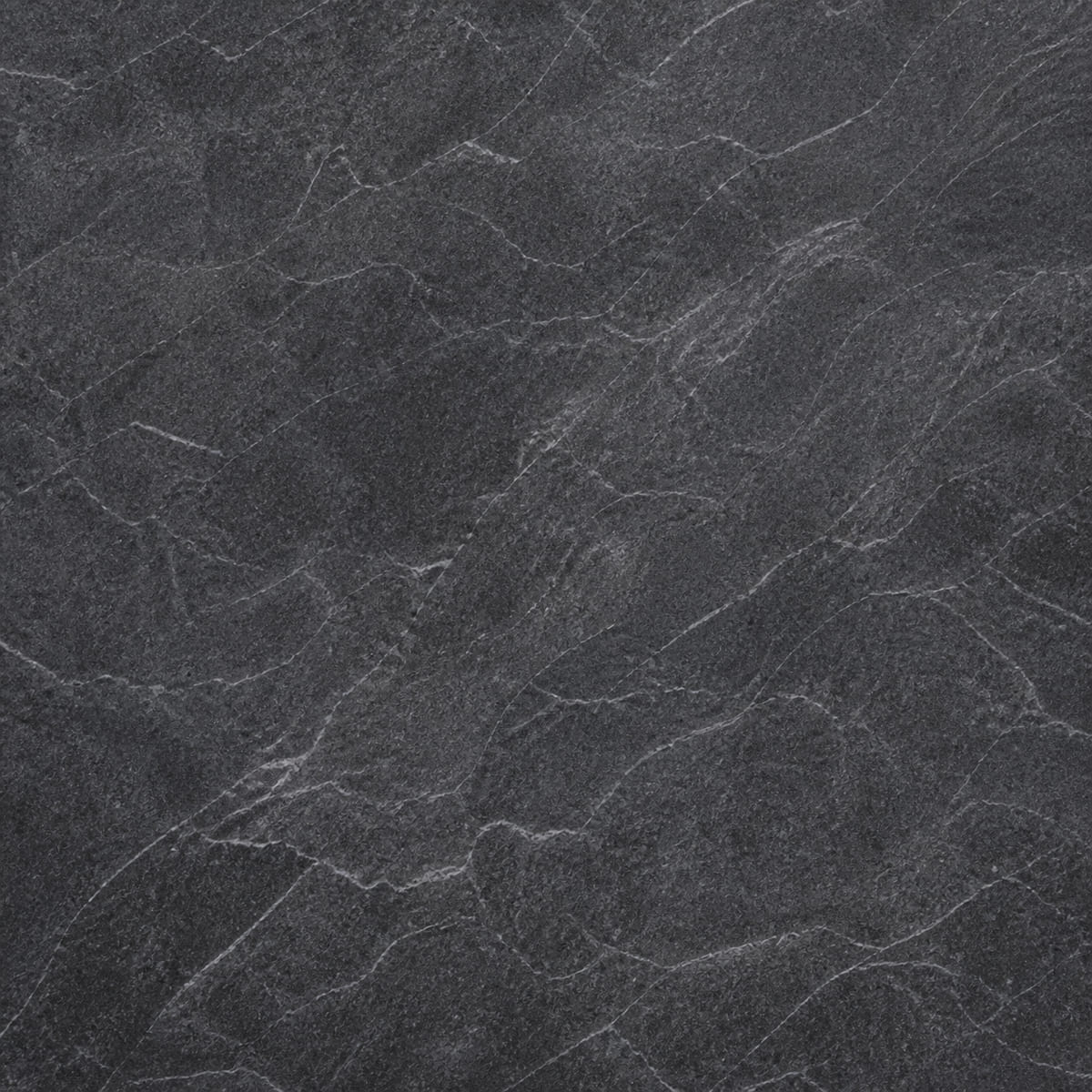
Barroca
Deep charcoal with fine white veining running through it, and the hardest of the soapstones — which in this category means it still scratches, just less readily.
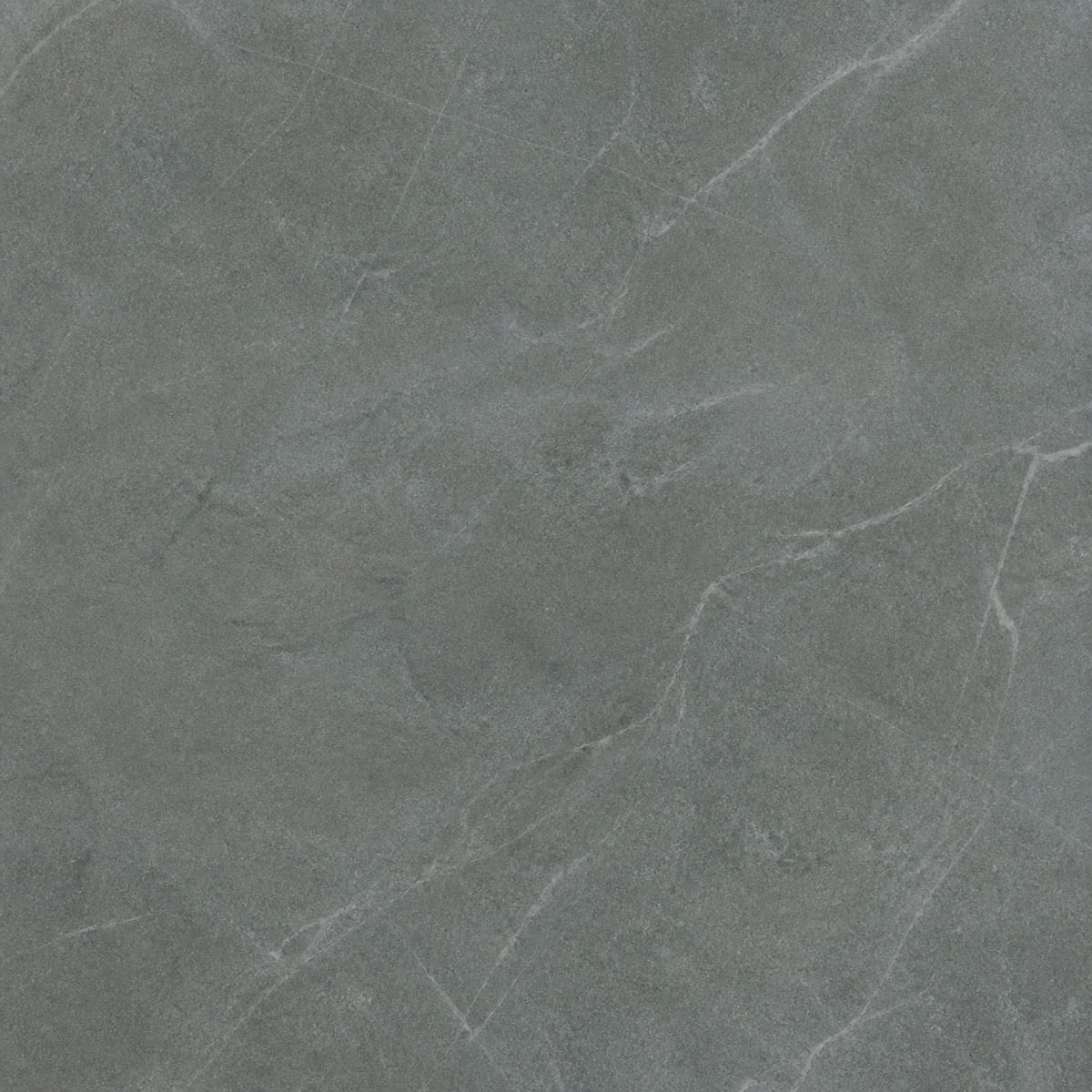
Julia
Mid-grey with a distinct green cast and light, sparse veining. The green is real and it strengthens as the stone is oiled — it is the softest-looking soapstone before it darkens.
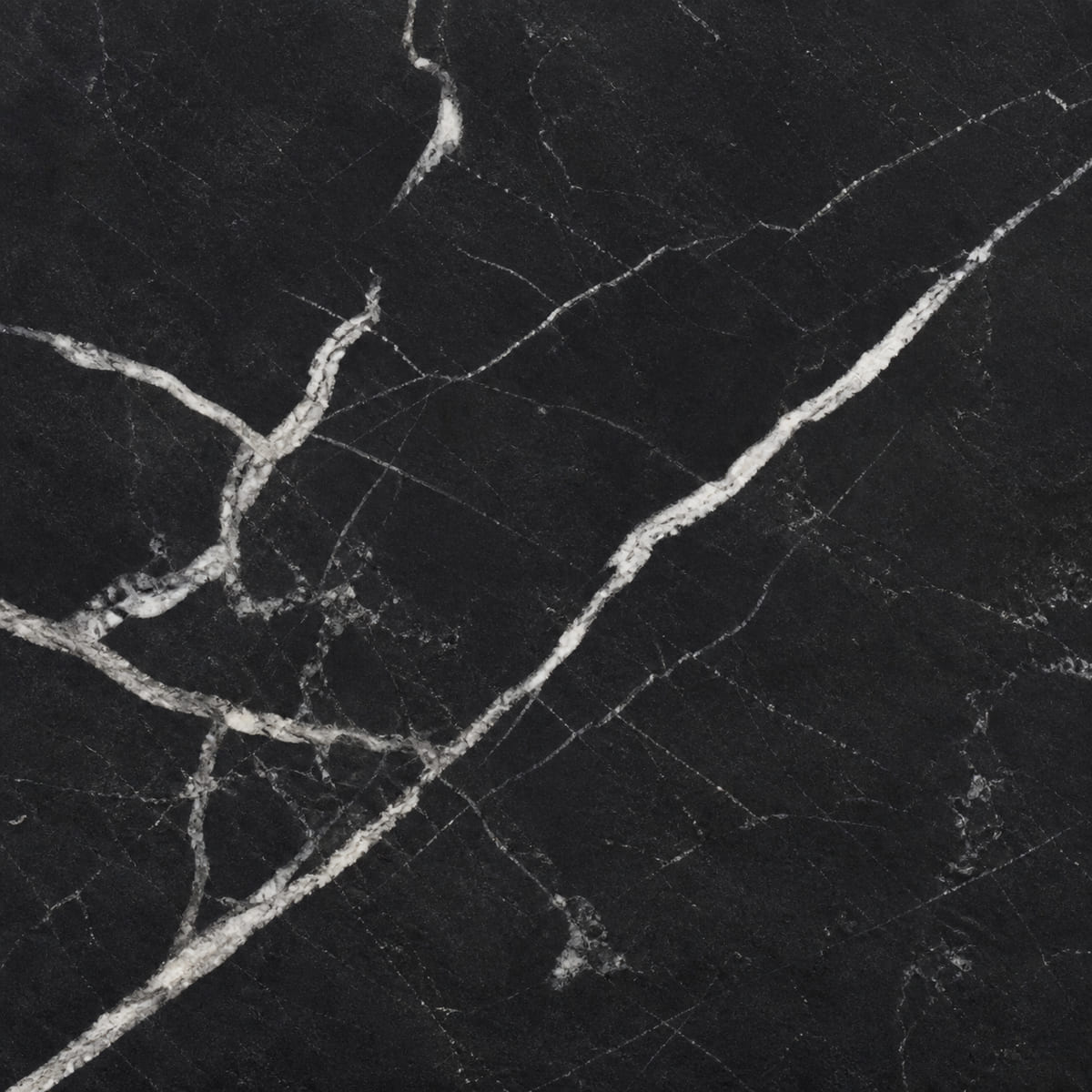
Black Venata
Near-black with bold white veining that reads almost like Nero Marquina — the most graphic soapstone, and the one that looks least like people expect soapstone to look.
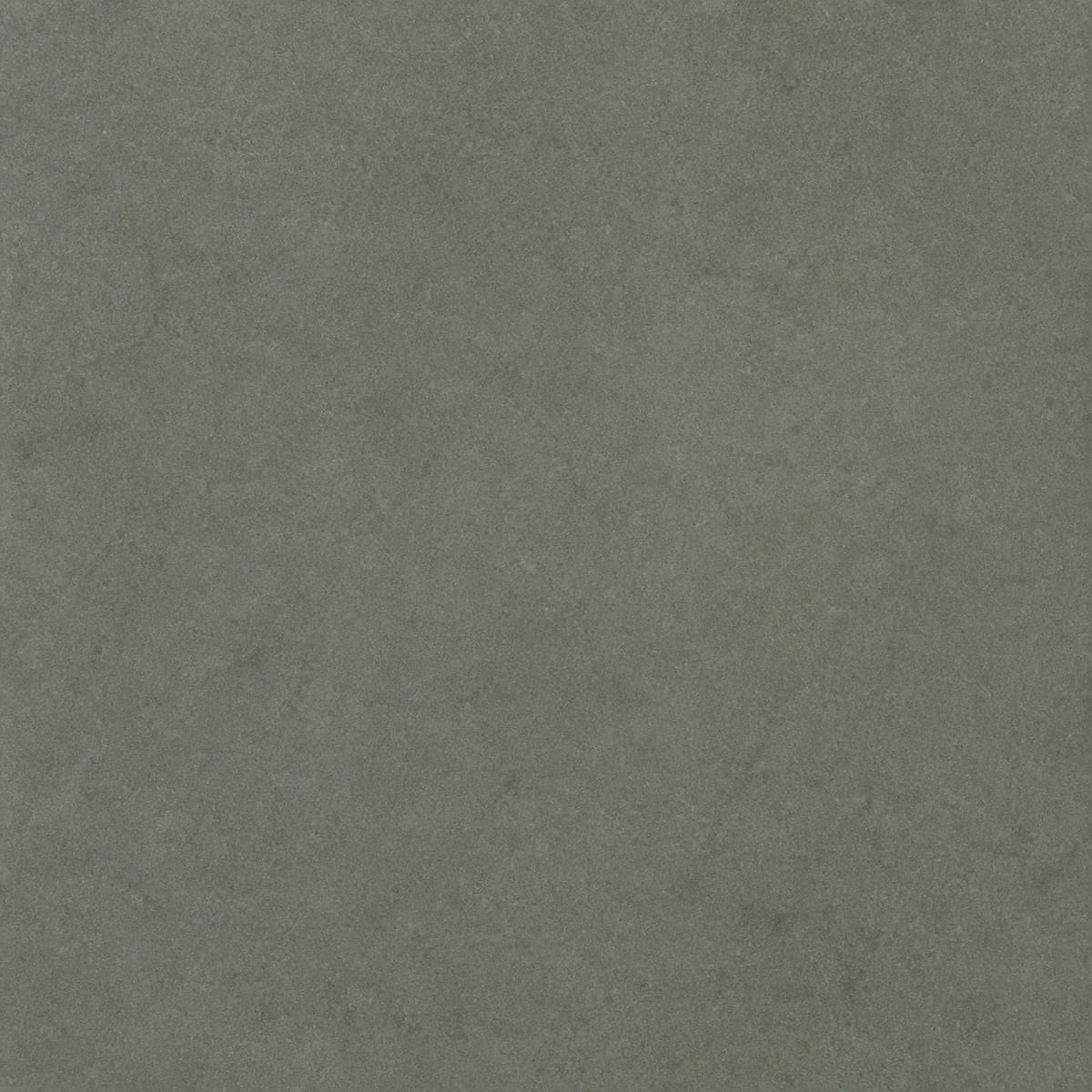
Mariana
Soft grey-green with almost no veining at all. The quietest option here — it does nothing visually and lets the cabinetry carry the room.
Imagery on this page is representative of the material. No two natural slabs are alike — veining, colour and movement vary from block to block, and the slab that goes into your kitchen is the one you choose in person at our shop.
Also consider
If this is not quite right
Next step
See soap stone in person
A photograph cannot tell you how a slab moves in daylight, and no two are the same. Bring your cabinet door and a photo of the room — we will put them against the stone.